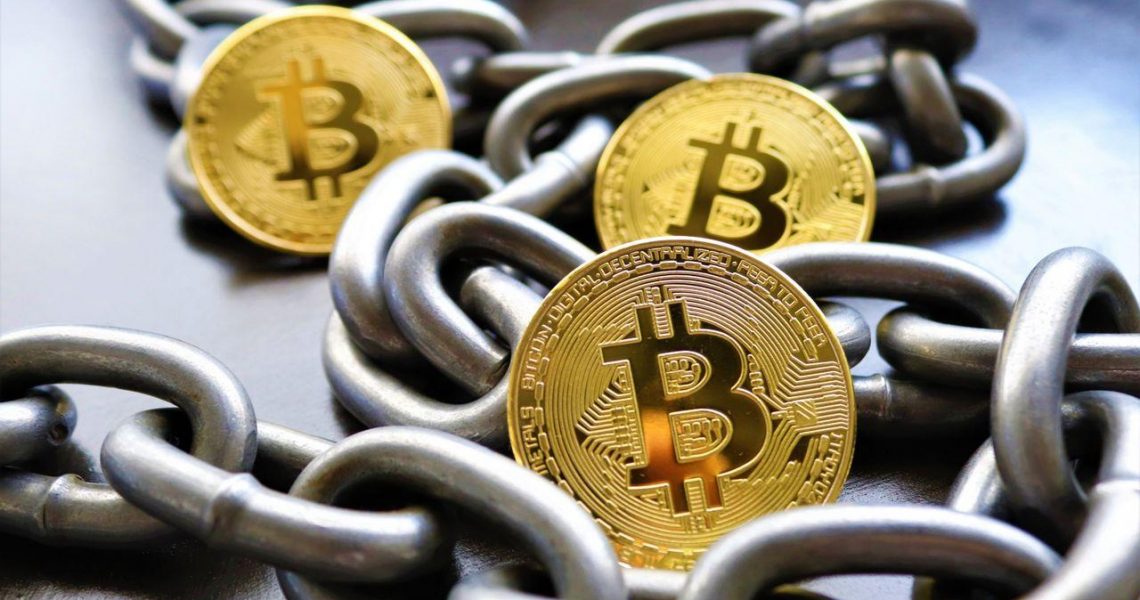
Understanding Blockchain Technology for Data Security: Benefits, Challenges, and Real-World Applications
As cyberattacks grow more frequent and sophisticated, organizations are rethinking how they protect sensitive information. Understanding Blockchain Technology for Data Security has become essential for businesses, governments, and financial institutions looking for stronger alternatives to traditional data protection methods. Blockchain offers a decentralized, tamper-resistant approach to storing and verifying information, making it one of the most promising tools for improving transparency, integrity, and trust in digital systems.
This article explores:
- What blockchain technology is and how it strengthens data security
- Real-world applications across industries
- The benefits and challenges organizations should weigh
- Best practices for successful implementation
What Is Blockchain Technology and Why Does It Improve Data Security?
Blockchain is a distributed digital ledger that records data across a network of computers rather than a single centralized server. Because no single entity controls the entire chain, it becomes significantly harder for hackers or insiders to alter records undetected.
How Blockchain Works: Blocks, Hashes, and Distributed Ledgers
Each blockchain transaction follows a consistent lifecycle that ensures accuracy and permanence:
- A transaction is initiated and broadcast to the network.
- Network nodes validate the transaction using consensus mechanisms.
- Verified transactions are grouped into a block.
- The block is assigned a unique cryptographic hash.
- The new block is linked to the previous one, forming a chain.
- The updated ledger is distributed across all participating nodes.
This structure creates immutability — once data is recorded, altering it would require changing every subsequent block across the entire network, which is computationally impractical.
Why Blockchain Is More Secure Than Traditional Databases
Traditional databases rely on centralized control, which creates a single point of failure. Blockchain distributes trust across many participants instead.
| Feature | Traditional Database | Blockchain |
|---|---|---|
| Architecture | Centralized | Decentralized |
| Security | Vulnerable to single-point breaches | Distributed, tamper-resistant |
| Transparency | Limited, controlled by admin | Shared across network participants |
| Data Integrity | Can be altered by administrators | Protected by cryptographic hashing |
| Availability | Dependent on central server uptime | Resilient across multiple nodes |
| Vulnerability | High risk from insider threats | Reduced risk due to consensus validation |
Key Security Features of Blockchain Technology
Several core mechanisms give blockchain its security advantage:
- Encryption – Protects data from unauthorized access
- Decentralization – Removes single points of failure
- Consensus mechanisms – Ensure only verified transactions are recorded
- Immutability – Prevents retroactive tampering
- Transparency – Allows authorized parties to view transaction history
- Auditability – Simplifies compliance and fraud detection
Real-World Applications of Blockchain for Data Security

Beyond cryptocurrency, blockchain is being adopted across industries to secure sensitive data, streamline audits, and reduce fraud. Organizations increasingly use it wherever trust and verifiable records matter most.
Protecting Healthcare, Financial, and Government Records
Blockchain helps industries handling highly sensitive data reduce unauthorized modifications and simplify compliance.
| Industry | Data Protected | Security Benefit |
|---|---|---|
| Healthcare | Patient records, medical history | Prevents unauthorized edits, secure data sharing |
| Financial Services | Transactions, account data | Fraud reduction, real-time verification |
| Government | Identity records, public documents | Tamper-proof recordkeeping, easier audits |
Strengthening Supply Chain and Identity Management
Blockchain is widely used to verify authenticity and prevent fraud across global supply chains and identity systems, including:
- Tracking products from origin to delivery
- Verifying authenticity to prevent counterfeiting
- Enabling secure, portable digital identities
- Reducing paperwork and manual verification errors
Smart Contracts and Secure Automated Transactions
Smart contracts are self-executing agreements coded directly onto the blockchain. They automatically enforce terms once conditions are met, minimizing fraud and manual oversight. Common applications include:
- Automating insurance claim payouts
- Executing real estate transactions securely
- Managing supply chain payments upon delivery confirmation
- Enforcing licensing and royalty agreements
Benefits and Challenges of Using Blockchain for Data Security

Blockchain offers substantial security advantages, but it isn’t a universal solution. Understanding both sides helps organizations make informed decisions.
Major Advantages of Blockchain Security
- Improved transparency across all network participants
- Stronger data integrity through cryptographic verification
- Decentralized storage that reduces single points of failure
- Enhanced traceability for audits and compliance
- Reduced fraud through consensus-based validation
- Greater resilience against outages and attacks
Common Limitations and Security Challenges
| Challenge | Potential Mitigation |
|---|---|
| Scalability issues | Layer-2 solutions and sharding |
| Slow transaction speed | Optimized consensus algorithms |
| High implementation costs | Phased adoption, cloud-based blockchain services |
| Energy consumption (proof-of-work) | Shift to proof-of-stake models |
| Regulatory uncertainty | Legal consultation and compliance frameworks |
| Human error outside the chain | Employee training and strict access controls |
Public vs. Private Blockchain for Data Protection
| Factor | Public Blockchain | Private Blockchain |
|---|---|---|
| Accessibility | Open to anyone | Restricted to approved members |
| Scalability | Lower | Higher |
| Control | Decentralized | Centralized governance |
| Privacy | Limited | Stronger |
| Typical Use Case | Cryptocurrency, open data verification | Enterprise data security, internal systems |
According to the National Institute of Standards and Technology, organizations should evaluate governance models carefully when selecting between public and permissioned blockchain systems, since security and control requirements differ significantly between the two.
Best Practices for Implementing Blockchain-Based Data Security
Blockchain strengthens data protection, but it works best when combined with strong cybersecurity governance rather than as a standalone fix.
When Blockchain Is the Right Security Solution
Blockchain is especially valuable when organizations need:
- Secure collaboration between multiple parties
- Verifiable audit trails
- Tamper-resistant recordkeeping
- Independent data verification without a central authority
Best Practices for Successful Blockchain Adoption
- Choose a blockchain platform suited to your industry needs
- Integrate blockchain with existing IT infrastructure
- Protect private keys using secure storage solutions
- Maintain compliance with data protection regulations
- Train employees on blockchain security protocols
- Continuously monitor and update security policies
Future Trends in Blockchain and Data Security
Emerging innovations are expected to expand blockchain’s role in cybersecurity:
- AI integration for real-time threat detection
- Decentralized identity systems for secure authentication
- Zero-knowledge proofs for privacy-preserving verification
- Interoperability between different blockchain networks
- Quantum-resistant cryptography to prepare for future threats
- Continued enterprise blockchain adoption across regulated industries
For more insights on blockchain’s evolving role in enterprise security, IBM’s blockchain resources offer additional technical guidance on implementation strategies.
Conclusion
Understanding Blockchain Technology for Data Security reveals a powerful tool for improving transparency, integrity, and trust across industries. From healthcare and finance to supply chains and identity management, blockchain reduces fraud and strengthens data protection through decentralization and cryptographic verification. However, it isn’t a complete security solution on its own — organizations must pair blockchain with strong governance, access controls, and comprehensive cybersecurity practices. Before adopting blockchain-based security, businesses should carefully assess their specific needs, regulatory requirements, and long-term scalability goals to determine whether it’s the right fit.