KYC and AML in Online Casinos: What Players and Operators Need to Know
James had been playing slots at his favorite online casino for three months when he finally hit a decent win. Nothing life-changing, but enough to cover his rent. He clicked “withdraw,” expecting the money within a day or two. Instead, he got an email asking for his driver’s license, a utility bill, and a photo of his credit card. The withdrawal was frozen until he complied. He felt frustrated — why hadn’t anyone mentioned this before?
Versions of this play out every day. Players want fast payouts with minimal friction. Operators, on the other hand, have to balance speed with strict rules designed to prevent fraud, money laundering, and underage gambling. That tension — convenience versus compliance — is where most of the anger and confusion comes from.
To make it worse, casinos don’t all handle verification the same way. Some ask for documents at signup. Others wait until a first withdrawal, or until a player crosses a certain deposit/withdrawal threshold. A player logging into something like the pokies 114 login page might deposit a few times with no prompts at all, then suddenly hit a wall the moment they try to cash out. When the rules feel inconsistent, people assume the casino is stalling on purpose.
In reality, most KYC delays come from predictable issues: unclear instructions, mismatched details, low-quality document photos, or missing information. This article breaks down KYC and AML from both perspectives — what players experience and what operators are required to enforce — and gives practical steps to reduce delays without compromising compliance.
KYC vs AML: The Simple Definitions People Confuse
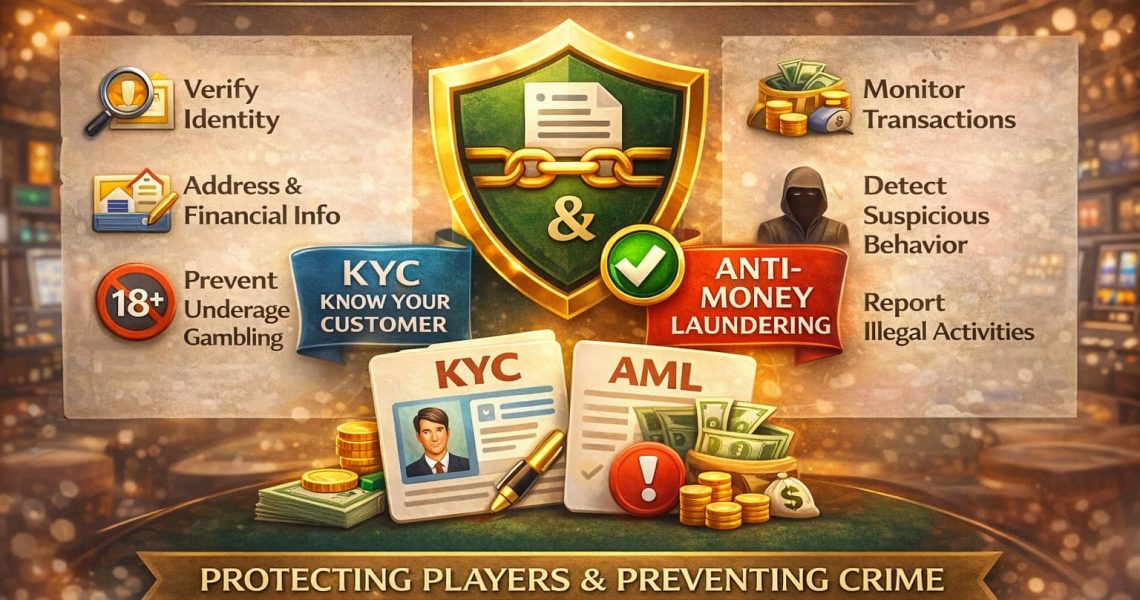
KYC stands for Know Your Customer. It’s the identity check: confirming you are a real person, of legal age, using your real details. That usually means verifying your name, date of birth, and identity using government-issued documents like a passport or driver’s license.
AML stands for Anti-Money Laundering. It’s broader. AML measures focus on how money moves through the casino: monitoring transaction patterns, flagging suspicious behavior, and (in regulated environments) reporting certain activities to financial authorities. In simple terms: KYC is “who are you?” AML is “what are you doing with the money?”
They overlap because you can’t monitor risk properly if you don’t know who’s behind the account. That’s why KYC is usually the foundation of AML compliance. And in most regulated jurisdictions, both are legal requirements — not optional features casinos can switch on or off when it suits them.
Why Casinos Run These Checks (Beyond “Because They Want To”)
A lot of players think verification exists mainly to delay withdrawals. But casinos face real risks that make these checks necessary from a business perspective, not just a regulatory one.

Fraud is the most immediate. Online casinos deal with stolen cards, chargebacks, account takeovers, and players creating multiple accounts to farm welcome bonuses. Without identity checks, a single bad actor can create dozens of accounts, drain promos, and vanish before the operator catches up. That’s not a theoretical risk — it’s routine.
Underage gambling is another major issue. Regulators in places like the UK, Malta, and most US states impose strict age rules (usually 18+ or 21+ depending on the market). If a casino is caught letting minors gamble, the consequences can be severe: fines, license suspension, or losing the license entirely. That’s why age verification is a necessity, not a preference.
Money laundering is the most complex risk. The “classic” pattern is simple: deposit funds, do minimal play, withdraw as “winnings.” Casinos are expected to watch for rapid deposits and withdrawals, unusual betting patterns, repeated small transactions designed to avoid thresholds, or accounts that look more like payment processors than gamblers. Failing to detect or report certain activity can create serious legal exposure for the operator.
Finally, there’s regulatory compliance. Licensing bodies require identity verification, transaction monitoring, and record keeping. The exact standards vary by jurisdiction, but the theme is the same: if you want to operate legally, these controls are part of the deal. For players, that means verification isn’t an “extra.” It’s baked into the legal framework that allows the casino to exist.
What Players Are Usually Asked to Provide
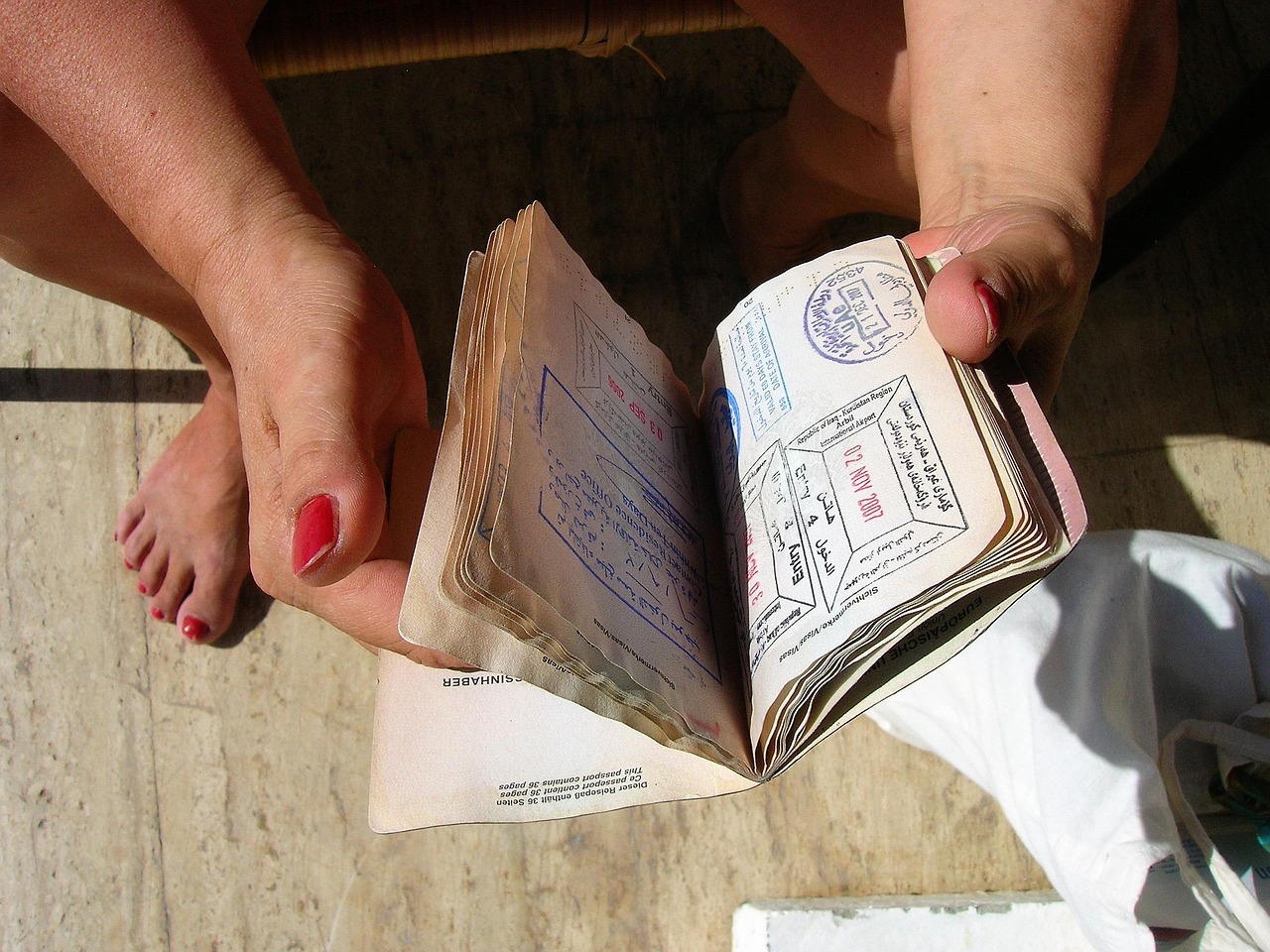
The exact requirements depend on the casino, the jurisdiction, and the player’s activity level. But most KYC flows ask for the same categories of proof.
Identity verification usually requires a government-issued photo ID — passport, driver’s license, or national ID card. Casinos need it to be current, readable, and clearly showing your full name, date of birth, and photo. Image quality matters. Blurry photos, glare, or missing corners get rejected and extend the timeline.
Address verification is typically the next step. Casinos often accept a utility bill, bank statement, or government letter that shows your name and residential address, dated within the last three months. This confirms you actually live where you said you live — and helps with geo-compliance in certain regulated markets.
Payment method verification comes into play with cards and some e-wallets. Operators may ask for a photo of the card with the middle digits obscured, a screenshot of an e-wallet profile, or a statement showing the relevant transactions. The goal is straightforward: confirm the payment method belongs to you and wasn’t stolen or used without consent.
Source of funds checks are less common, but they appear more often than players expect — especially for larger withdrawals or patterns that look unusual. This might involve payslips, bank statements showing income, business documents, or proof of inheritance/investment. It can feel invasive, but it’s driven by AML rules requiring operators to understand where significant money is coming from.
| Check Type | Typical Documents | Why It’s Requested | Common Mistakes That Cause Delays |
|---|---|---|---|
| Identity Verification | Passport, driver’s license, national ID | Confirm age, identity, prevent fake accounts | Expired ID, glare, low resolution, cropped edges |
| Address Verification | Utility bill, bank statement, government letter | Match registration address, comply with regional rules | Older than 3 months, mismatch, unreadable scan |
| Payment Method Verification | Card photo (obscured), e-wallet screenshot, bank statement | Prevent stolen payment use, confirm ownership | Not obscuring digits, unclear image, unrelated info included |
| Source of Funds | Payslips, business docs, inheritance proof, investment statements | AML compliance for large/unusual transactions | Vague explanations, missing evidence, outdated records |
How Verification Works in Practice (And Where It Gets Stuck)
Verification feels mysterious to players because most casinos don’t explain the workflow. But the process is usually predictable — and delays tend to happen in the same places.
First, you upload documents through a portal or sometimes via email. Many casinos run an automated check using OCR (to read text on IDs) and facial matching (to compare selfies with ID photos). If everything is clean and readable, approval can happen quickly.
If the system flags anything — a mismatch, unclear text, a document type it doesn’t recognize, inconsistent formatting — the case goes to manual review. That’s where timelines stretch. Manual review time depends on staffing, workload, and how many back-and-forth cycles happen because of missing or rejected documents.
The most common blockers are boring but brutal: glare over the ID number, corners cropped off, address documents older than the allowed window, or a name mismatch between the casino account and the ID. Even small differences (like “Mike” vs “Michael”) can trigger rejections, especially when automated systems do the first pass.
Expired documents are almost always an automatic rejection. And “almost correct” usually still fails: a bill dated four months ago won’t pass if the casino requires three months; a cropped photo won’t pass even if the text is visible; a slightly different spelling might trigger escalation.
- Take photos in bright, even lighting (no glare, no harsh shadows).
- Show all four corners of the document in the frame.
- Use high resolution so text is sharp when zoomed in.
- Make sure your casino profile matches your legal name exactly.
- Use current documents only (no expired ID, no old bills).
- For cards, hide middle digits, but keep first four and last four visible.
- Submit everything requested in one batch to avoid multiple review cycles.
- Reply quickly to follow-up requests so the file doesn’t sit in a queue.
The Withdrawal Trigger: Why You’re Often Verified When You Cash Out

The timing is what frustrates players most: deposits feel instant, but withdrawals trigger scrutiny. It feels backwards — but there’s a practical reason.
Deposits carry risk (chargebacks, stolen cards), but they’re easier to address after the fact. Withdrawals are different. When money is going out, the casino must be sure it’s going to the legitimate account owner — and withdrawals are where many laundering schemes “complete” the cycle.
That’s why many operators use risk-based verification. They don’t fully verify everyone on day one; they trigger checks when certain events happen: first withdrawal, a withdrawal over a set threshold, a sudden spike in deposits, or patterns that look inconsistent with normal play.
This approach reduces friction for casual users while still meeting regulatory obligations when the risk becomes meaningful. The problem is communication: if players aren’t warned upfront, they interpret the withdrawal check as a stalling tactic rather than a compliance trigger.
Source of Funds / Source of Wealth: The Part That Feels Invasive
Most KYC checks focus on identity and address. Source of funds (and sometimes source of wealth) is the layer that feels personal — because it asks, “Where is this money coming from?”
These checks are usually triggered by high-value deposits/withdrawals, unusual transaction patterns (like cycling money with minimal play), or regulatory requirements tied to the player’s risk profile. In some regulated environments, enhanced due diligence is expected for certain categories of customers — not because the casino “suspects” you, but because the rules demand additional evidence for higher-risk scenarios.
Typical evidence includes payslips, bank statements showing salary deposits, business registration documents, or legal paperwork for inheritance and investments. It’s frustrating, but refusing to provide requested documents often results in a blocked withdrawal and a frozen account until the case is resolved.
Privacy and Data Protection: What Happens to Your Documents
Handing over passports and bank statements raises a reasonable question: “Who sees this, and how is it stored?”
Licensed operators are generally required to follow data protection rules (GDPR in Europe and similar frameworks elsewhere). In practice, that means documents should be encrypted, access should be limited to compliance staff, and the casino should have clear retention rules. Many operators keep verification records for several years after an account is closed because regulators may audit historical activity.
Another factor is third-party verification providers. Many casinos outsource document checking to specialized companies. That can speed things up and improve accuracy, but it also means your data is processed by more than one organization. The casino’s privacy policy should disclose this — and should explain who the provider is and why they’re involved.
If you want a reference point for AML standards at a global level, the Financial Action Task Force publishes widely used principles that influence national AML rules and industry expectations.
What Operators Need to Get Right (So KYC Doesn’t Kill Conversion)
Operators have a real balancing act: too much friction tanks conversion; too little verification invites fraud and regulatory heat. The operators who handle this well treat KYC as part of product design — not as a last-minute compliance bolt-on.
Progressive disclosure is one smart approach. Don’t dump every requirement on a user at signup. Make expectations clear early, but trigger heavier checks when they’re actually needed (first withdrawal, higher amounts, or specific risk signals). This protects conversion while staying defensible under audit.
Communication matters more than most teams think. A line like “We’re required to verify identity to protect your account and comply with gambling regulations” reduces anger far better than a blunt “Upload documents.” Players react less to the request itself and more to feeling blindsided or ignored.
Clear upload requirements prevent most rejections: accepted file types, size limits, lighting tips, what card digits to obscure, and examples of acceptable photos. The fewer resubmissions, the less workload for compliance staff and the faster withdrawals get processed.
Finally: don’t lie about timelines. If manual review commonly takes 24–48 hours, say so. If weekends slow things down, say that too. Silence and vague promises (“instant verification”) are what cause players to assume bad intent.
| Friction Point | Player Reaction | Trust-Safe UX Fix | Operator Benefit |
|---|---|---|---|
| Surprise document request at withdrawal | Anger, suspicion | Explain verification triggers during signup and in cashier UI | Higher completion rate, fewer complaints |
| Unclear photo requirements | Multiple rejections | Show guidelines and examples before upload | Faster approvals, less back-and-forth |
| No status updates | Anxiety, repeated tickets | Status tracker + automatic stage updates | Lower support load |
| Generic rejection messages | Confusion | Specific, actionable reason for rejection | Better resubmission quality |
| Inconsistent timelines | Feels unfair/random | Publish clear thresholds and expected review times | Predictable workflow, cleaner audit trail |
Common KYC/AML Mistakes on Both Sides

Most verification mess isn’t sabotage — it’s mistakes, mismatched details, and poor communication.
Player-Side Mistakes
Name mismatches are a big one. Registering as “Mike Johnson” and submitting an ID that says “Michael R. Johnson” often triggers an escalation. Another common issue: using a VPN, which can look like someone trying to bypass geo rules or hide account takeover attempts. And of course, multiple accounts — whether accidental or deliberate — usually violate terms and can lead to closure and forfeited funds.
Operator-Side Mistakes
The fastest way to destroy trust is vague messaging. “Document not accepted” without a reason forces players to guess. Slow support responses make routine reviews feel like punishment. And surprise checks after months of smooth withdrawals feel like bait-and-switch — even when the trigger is legitimate. If your support emails say 24 hours, your chat says 72, and your automated message says 5 business days, you’ve created distrust before the case is even reviewed.
- Setting “instant verification” expectations when manual review is common.
- Requesting documents one-by-one instead of asking for the full set.
- Sending generic rejections with no actionable details.
- Failing to confirm receipt and provide a status timeline.
- Not training support staff to explain KYC/AML clearly and consistently.
- Freezing withdrawals with no explanation of what’s being checked.
A Practical Checklist for Smooth Verification (Players + Operators)
If you want fewer delays, you need fewer review cycles. These checklists cover what actually prevents 80% of the back-and-forth.
Player Checklist
- Register using your legal name exactly as shown on your ID.
- Upload clear photos with all corners visible, no glare, no blur.
- Use current documents only (ID valid, proof of address recent).
- Submit all requested items together, not piece-by-piece.
- For cards: hide middle digits, keep first four and last four visible.
- Check messages daily after requesting a withdrawal and reply fast.
- Avoid VPN use during withdrawals unless you want extra scrutiny.
Operator Checklist
- Explain verification triggers upfront (signup + cashier + terms).
- Provide upload rules with examples: lighting, corners, formats.
- Confirm document receipt and show live verification status.
- Use specific rejection reasons that tell players what to fix.
- Publish realistic timelines based on actual staffing capacity.
- Bundle requests so players don’t go through multiple review loops.
Some players prefer platforms where verification expectations are explained clearly from the start. Even something as routine as accessing the pokies.net login can feel smoother when the operator communicates what verification is, when it happens, and how to avoid common mistakes.
| Scenario | Player Action | Operator Action | Expected Outcome |
|---|---|---|---|
| First withdrawal | Upload complete set with clear images | Acknowledge receipt + give honest ETA | Standard approval in 24–48 hours |
| Rejected document | Resubmit based on exact feedback | Explain the rejection precisely | Faster second-pass approval |
| Source of funds request | Provide evidence quickly (payslips/statements) | Explain why enhanced checks apply | Lower frustration, smoother resolution |
| Longer-than-promised review | Request status update with reference details | Escalate internally + provide timeline | Issue resolved or extended with clear reason |
Conclusion
KYC and AML requirements aren’t going away. If anything, they’re getting tighter as regulators push harder and fraud methods evolve. The difference between good verification and bad verification isn’t whether checks exist — it’s whether the process feels fair, transparent, and predictable.
Good KYC feels strict but understandable: clear requests, clear reasons, realistic timelines, and specific feedback when something needs fixing. Bad KYC feels random and silent: surprise demands, vague rejections, no updates, and withdrawal freezes that look like punishment.
For players, the biggest win is preparation: use matching details, upload clean documents, and expect verification at withdrawal. For operators, the biggest win is communication: explain triggers, provide status tracking, and keep support aligned. When both sides treat verification as a normal part of responsible gambling — not an adversarial obstacle — withdrawals move faster, fraud drops, and trust is easier to earn.